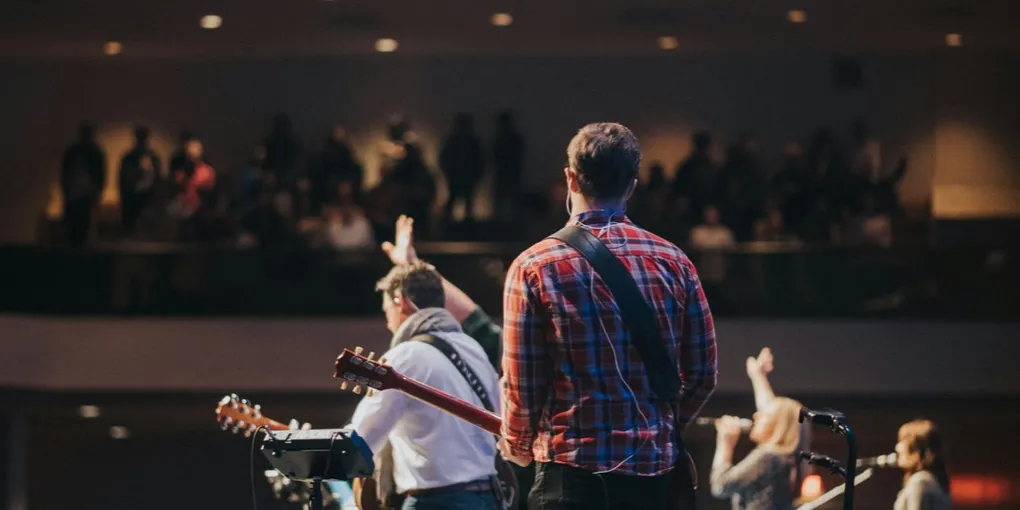
How to Lead Worship for the First Time: What Nobody Tells You
Table of Contents
I don’t remember the exact first time I led worship. I’ve been doing this long enough that the beginning has blurred into everything that came after it.
But I do remember being shy.
My grandmother was our youth choir director, and she had a trick for kids like me — the ones who froze up when they felt eyes on them. She’d tell us to pick a spot on the floor and stare at it while we sang. It worked. You can lead a whole song looking at the carpet, and nobody in the congregation knows the difference. What they hear is the music. What they feel is the worship. They’re not watching your eyes.
I tell you that because I want you to know: the nervousness you’re feeling before your first time leading worship is not a sign that you’re doing something wrong. It’s a sign that you understand the weight of what you’re about to do.
Key Takeaways
- Research on performance anxiety shows that slow, deliberate breathing for 60+ seconds before a high-pressure situation measurably reduces physical stress response — making it one of the most evidence-backed pre-performance tools available (American Psychological Association).
- Preparation is the most effective cure for first-time nerves — rehearse the songs until the music is automatic, so your mind is free to lead (Rob Still).
- There are an estimated 5,000–10,000 worship leaders in the U.S. — every one of them had a first time. The nervousness you’re feeling is universal, not a disqualifier (Zippia).
- The congregation is not judging your performance. They’re hoping you’ll lead them somewhere real.
- Keep your words between songs short. Silence handled with confidence is better than nervous talking.
- Focus only on the first 30 seconds. Once you start, the nerves almost always drop (Next Level Worship).
- You don’t need to be perfect. You need to be present, prepared, and sincere.
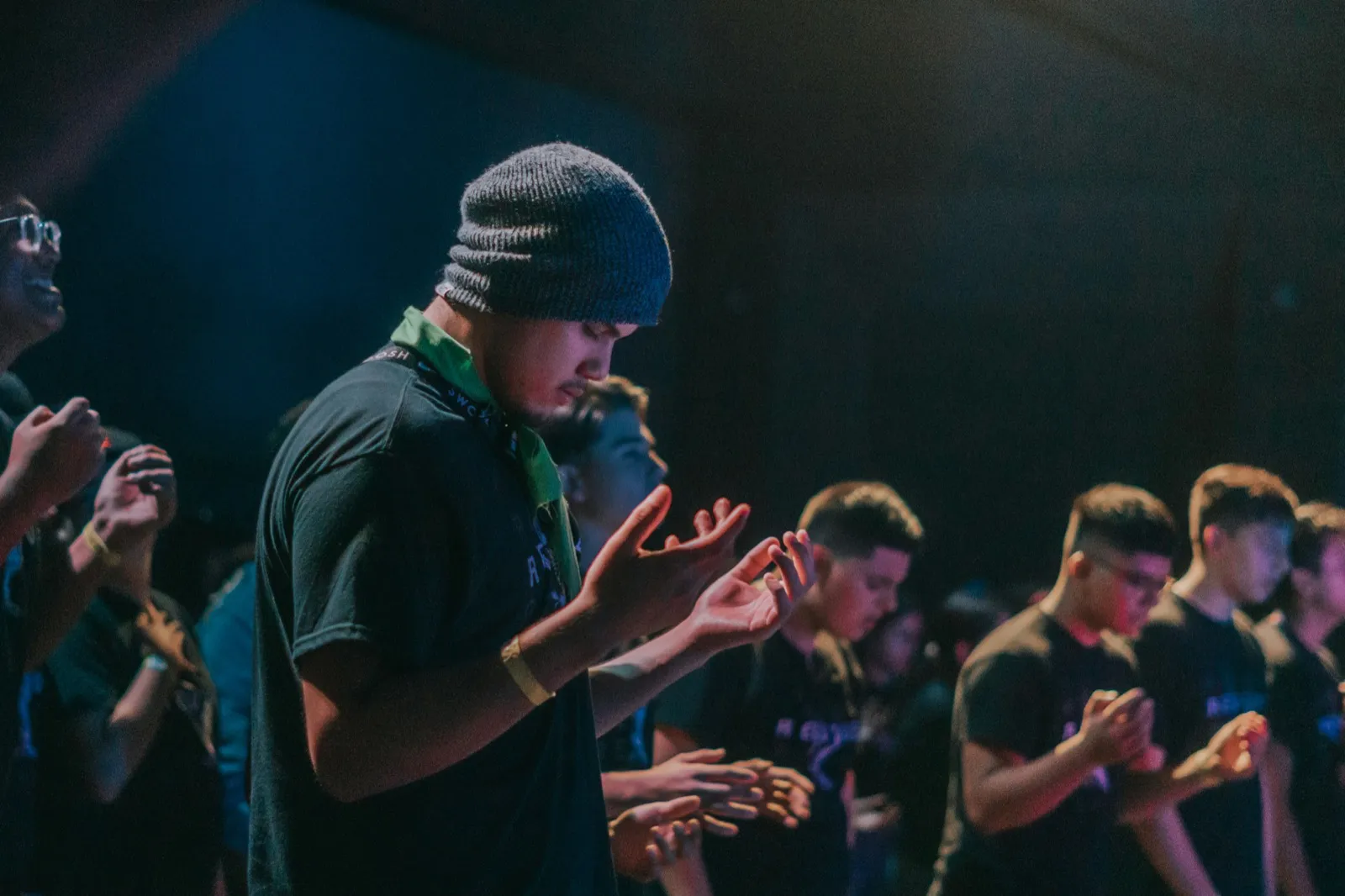
The Fear Is Normal — And It’s Not About You
I was around 28 years old the first time I led worship while playing guitar. It was nerve-racking — I’d be lying if I said otherwise. But I managed without a serious problem. You know what I was focused on? Not playing a wrong chord. Not falling out of time. I’ve always been a stickler for that — the music has to be right, or nothing else matters.
I wasn’t thinking about the congregation. I wasn’t thinking about what to say. I was thinking about my hands.
And that narrow focus turned out to be exactly what I needed. When you’re genuinely concentrating on playing well, you don’t have room to spiral into self-consciousness. The nervousness is still there — but it’s pointed at something productive.
The fear before leading worship, at any stage of ministry, is not something to eliminate. It’s something to redirect. According to David Santistevan, first-time experiences almost always feel bigger inside your head than they do in the room. The congregation is not a panel of judges. They came hoping to worship God. You’re the person who gets to help them do that.
There are an estimated 5,000–10,000 worship leaders in the United States alone — and every single one of them had a first time (Zippia; Worship Leader Magazine). The nervousness you’re feeling isn’t a sign you’re unqualified. It’s a sign you’re human.
That reframe — from performer to guide — changes everything.
How to Actually Overcome Nervousness Before Leading Worship
The nervousness doesn’t go away on its own — but there are specific things you can do to bring it down before you step up.
Recognize who’s actually in the room. The congregation is not a panel of critics. They’re your people — friends, family, fellow believers who showed up hoping to worship God. As Worship Artistry puts it: “The only one who’s really putting pressure on you is you.” The room is not waiting for you to fail. They’re waiting for someone to lead them.
Narrow your focus to one person. Instead of scanning the whole congregation and feeling the weight of every face, pick one person and think about connecting them to God through this one song. David Santistevan calls this narrowing your focus — and it works because it shrinks an overwhelming task into a human one. You’re not leading hundreds of people. You’re leading that one person in the third row who needs to hear this.
Dwell on what going well looks like. Before you go on, spend sixty seconds imagining the first song landing — the congregation singing, the band locked in, the room engaged. Not as wishful thinking, but as intentional mental preparation. Worst-case thinking feeds the nerves. Visualizing success — specifically and concretely — redirects that same mental energy toward the outcome you actually want (David Santistevan).
Know your part cold. Stage fright drops significantly when you’re not worried about whether you’ll remember the next chord or the bridge. Worship Artistry is direct: know your part. Prepare until the music is automatic. When you’re confident in the material, the nerves have less to grab onto.
Trust that it gets easier. This one sounds simple but it’s true — the more you lead, the more normal it becomes. As Worship Artistry notes: “The more you do something the less awkward it feels, so the best thing you can do is just keep getting up there.” Your first time will be the hardest. Your tenth time will feel completely different. The path through nervousness is not around it — it’s through it, repeatedly.
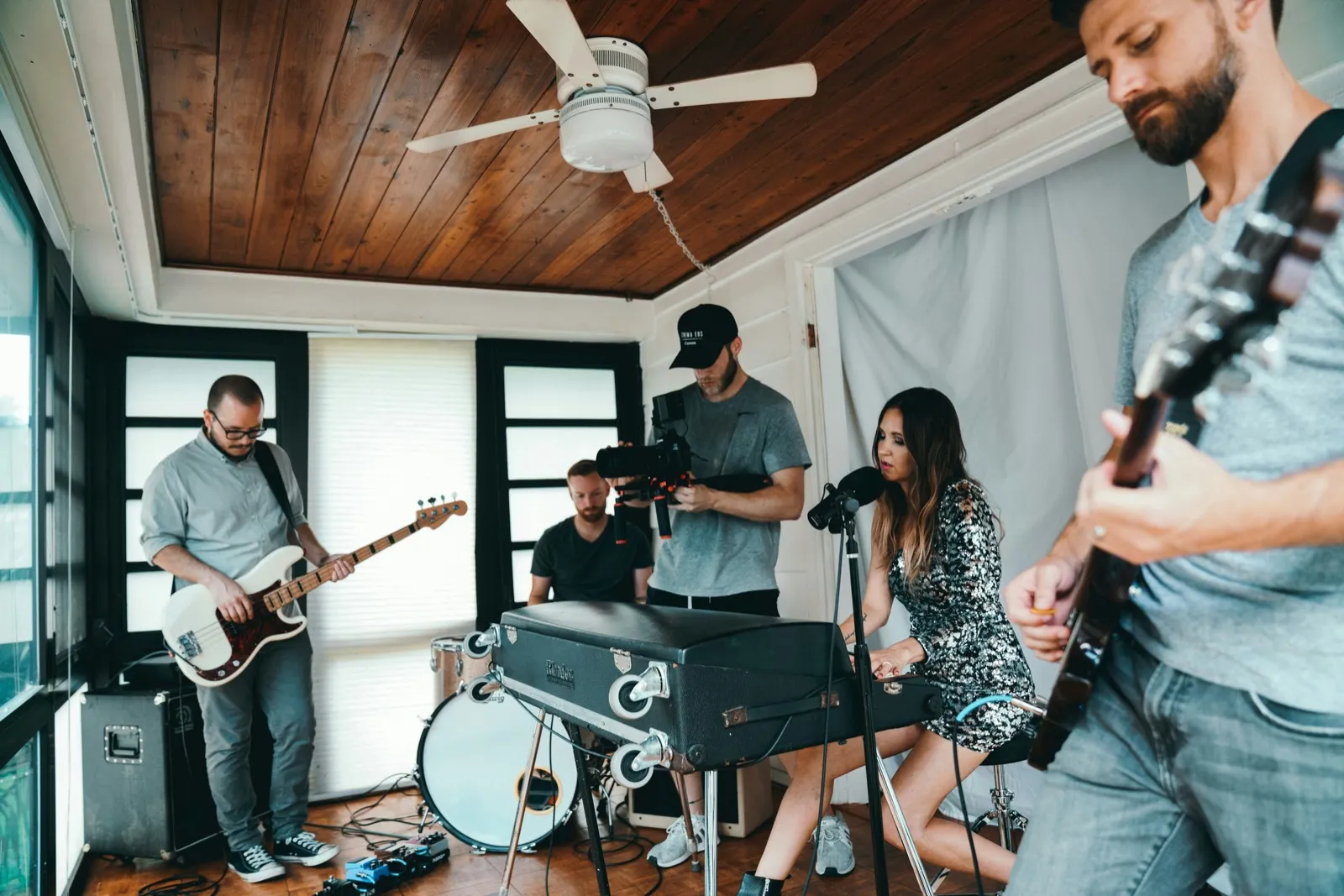

Prepare Until the Music Is Automatic
The single most effective thing you can do before your first time leading worship is over-prepare the music.
Not just “know the songs.” Know them so well that you don’t have to think about them. Know them well enough that if you’re tired, distracted, or nervous, your hands and voice will still do the right thing on their own (Leading Worship Well).
That matters because when the music is automatic, your mind is freed up to actually lead. You can watch the congregation. You can sense whether the room needs more energy or more space. You can give a nod to your keyboard player without losing your place. None of that is possible if you’re still mentally searching for the next chord.
My Tuesday-Wednesday-Thursday rehearsal routine exists for exactly this reason — and if you want a deeper look at how to structure a team rehearsal that actually prepares everyone well, here’s how I run worship team rehearsals. By Sunday morning, the set should feel like second nature — not because it’s boring, but because it’s ready. The preparation happens during the week so that Sunday morning is about leading, not surviving.
If you’re leading for the first time, rehearse your set more than you think you need to. Then do it once more.
What to Do with the Space Between Songs
I’ll be honest with you: I’m not much of a talker between songs. I may have come across as awkward my first time up there. But I’ve learned something over fifteen years of ministry — I am a man of few words, and I don’t believe in filling space just to fill it.
Most first-time worship leaders over-talk. They’re nervous, and talking feels safer than silence. So they explain the next song. They share a thought that runs longer than it should. They add transitions that don’t add anything. And the congregation can feel it — not the words, but the anxiety underneath them.
Less is almost always more when you’re starting out. A brief, clear transition between songs — “Let’s keep worshiping” or simply beginning to play — is more powerful than a rambling bridge that loses the room.
Reformed Worship recommends writing out exactly what you’ll say between songs before you ever step on stage. Not a script to read, but a rehearsed sentence or two so you’re not improvising under pressure. That’s solid advice. Know your words before you need them.
But if the words don’t come — if you’re standing there and you have nothing worth saying — start the next song. The music will carry it.
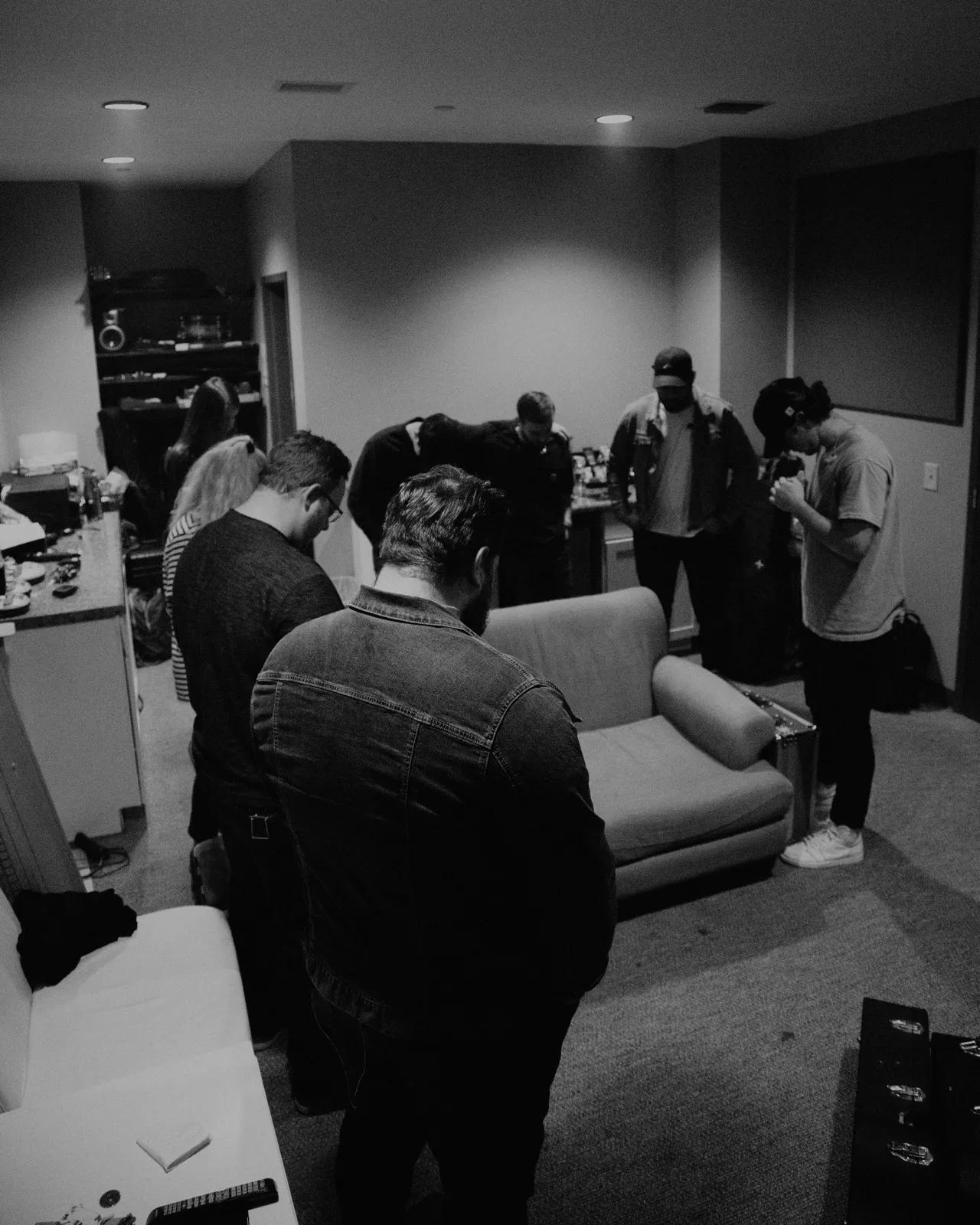
Right Before You Walk Up
The five minutes before your first time leading worship will feel like the longest five minutes of your life. Here’s what to do with them:
Breathe first. Not metaphorically — literally breathe. Slow inhale, slow exhale, repeat. Your body is in a mild fight-or-flight response. Slow breathing directly counters that (Next Level Worship). Do it for sixty seconds minimum.
Say a short prayer. Not a long one — you’ve done the preparation, this is just the handoff. Something as simple as Lord, help me serve well and love people well. That’s enough. You’re not asking God to do your job for you. You’re acknowledging that the outcome is His.
Review only the first 30 seconds. What’s the opening song? What’s your first chord? What are the first words you’ll say into the mic? Get those locked in. The rest will follow once you’re moving. The nerves almost always drop after the first song starts — the anticipation is almost always worse than the reality.
Focus on the first song, not the whole set. Worship leaders who run through the entire service in their head right before they go on overwhelm themselves. You don’t need to lead the whole service in the next thirty seconds. You need to lead the first song. That’s it.
When Things Go Wrong
They will. Not necessarily your first time, but eventually. Wrong key. Forgotten lyric. Tech failure. A transition that falls apart.
The congregation’s response to a mistake is almost entirely determined by how you respond to it. If you panic, they feel it. If you recover calmly and keep moving, most of them won’t even notice.
The practical steps: if you hit a wrong chord, keep going. If you forget a lyric, hum through it or drop out and let the congregation carry it — they often know the song better than you think. If the sound system has a problem — and microphone feedback is one of the most common culprits — pause gracefully, wait for the tech team to address it, and fill the silence with a brief prayer or a quiet chord.
Don’t apologize excessively. A brief acknowledgment is fine. Dwelling on a mistake tells the congregation to dwell on it too.
My rule: the only mistake that truly matters is one that stops the congregation from worshiping. Most of what happens on stage doesn’t reach them the way it reaches you.
A Simple First-Time Plan
If you want a concrete checklist for your first time leading worship, here it is:
- Rehearse your full set once more the night before — not to learn it, to confirm you know it
- Write out your transition sentences — one or two words per transition, not paragraphs
- Warm up your voice before service — even five minutes of quiet singing
- Breathe slowly for sixty seconds right before you walk up
- Say your short prayer and let it go
- Focus on the first song — nothing else until that one’s done
- Let the team and congregation carry the moment with you — you’re not alone up there
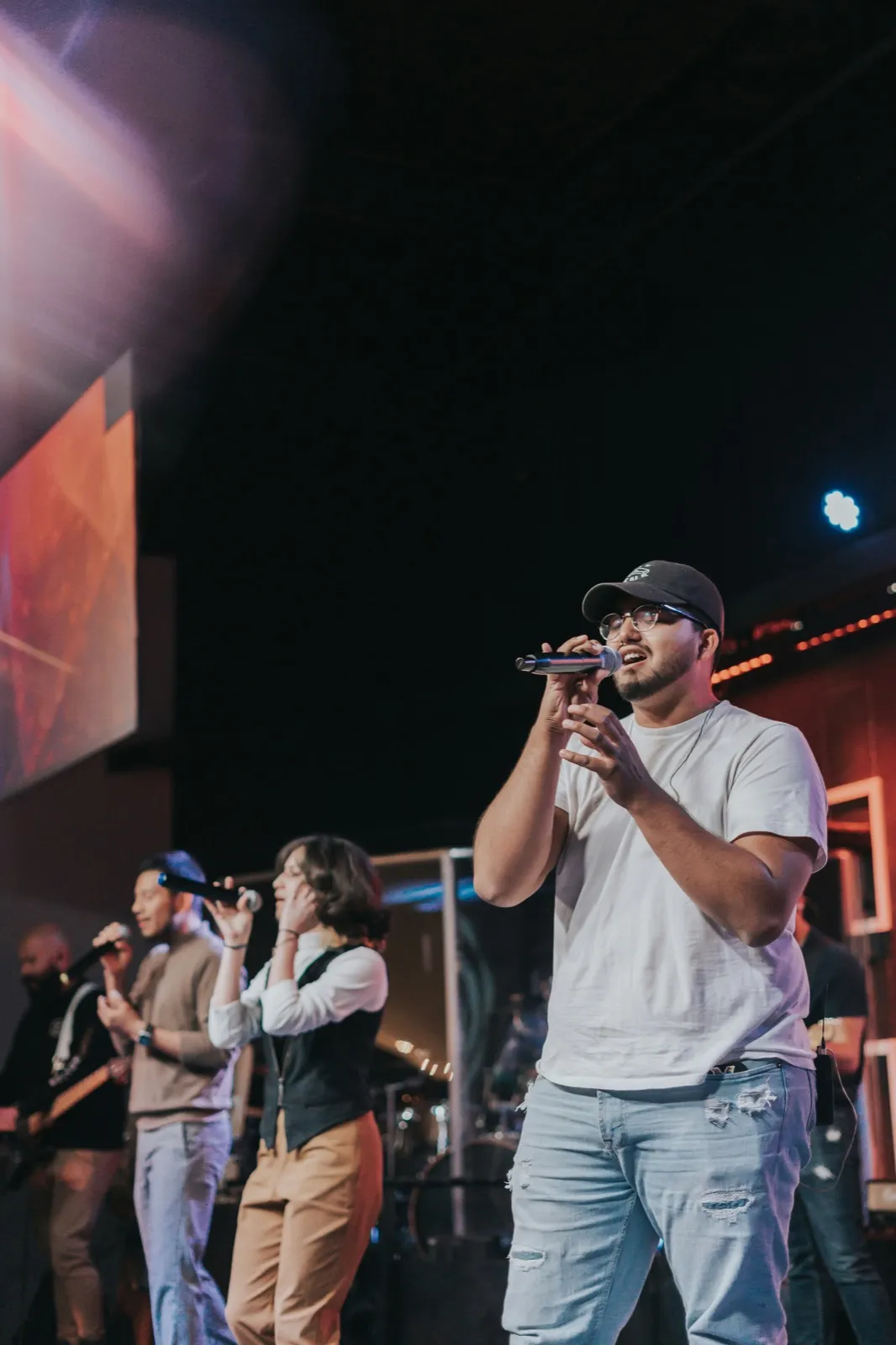
The Mindset That Actually Helps
Think of it less like a test and more like leading friends into worship.
You’re not up there to impress anyone. You’re not being graded on your vocal range, your guitar tone, or the smoothness of your transitions. You’re there to help a room full of people connect with God — people who showed up hoping for exactly that.
My grandmother didn’t teach me to stare at the floor because she wanted me to avoid the congregation. She taught me that trick because she knew that the moment I stopped thinking about myself — stopped worrying about whether people were watching or judging — the music would take over. And she was right.
That’s the whole job. Get yourself out of the way and let the worship happen.
For more on building the theological foundation behind this calling, these 7 books shaped how I think about worship leading — especially Bob Kauflin’s Worship Matters, which addresses exactly what it means to lead well without it becoming about you.
Frequently Asked Questions
How do I stop being nervous before leading worship?
The most effective approach is thorough preparation — rehearse until the music is automatic, so your mind isn’t managing the mechanics when you step up. Right before you lead, slow your breathing deliberately for sixty seconds and say a brief prayer. Focus only on the first 30 seconds of your set. The nerves almost always drop once you start (Next Level Worship).
What should I say between songs when leading worship for the first time?
Keep it short and purposeful. Write out one or two sentences per transition before the service so you’re not improvising under pressure (Reformed Worship). If you have nothing worth saying, just start the next song. The congregation responds better to confident silence than to nervous talking.
How much should I rehearse before leading worship for the first time?
Rehearse until the music feels automatic — not just learned, but second-nature. You want to know the songs so well that nerves can’t throw you off. If you’re still thinking about chords and lyrics on stage, that’s mental energy you can’t spend on leading the congregation.
What if I make a mistake during worship?
Keep going. Most mistakes that feel catastrophic to the leader are barely noticeable to the congregation. If you hit a wrong chord, recover and move forward. If you forget a lyric, hum through it or let the congregation carry it. Don’t over-apologize — a brief acknowledgment is fine, but dwelling on a mistake directs the congregation’s attention to it rather than to worship.
How do I know if I’m ready to lead worship?
If you know the songs, you care about the congregation, and you’ve prepared honestly — you’re ready enough. Worship leading is learned by doing. The first time will feel incomplete. That’s normal. The only way to get better at leading worship is to lead worship, reflect on it, and lead again.
A Final Word
You’re going to feel underprepared. You’re going to wish you had more time, more experience, a better voice, a cleaner guitar tone. Every worship leader who has ever stood at the front of a room for the first time has felt exactly that.
And then the music started, and they led.
That’s what’s going to happen to you. The preparation you’ve done is enough to begin. And beginning is the whole job.
I want to encourage you: don’t wait until you feel ready. Step up, breathe, say your prayer, and lead your congregation toward God. The nervousness doesn’t mean you’re not called to this. It means you understand what you’re carrying.
One more thing worth knowing this early: the same passion that makes you want to lead is also what makes worship leaders vulnerable to running on empty years down the road. I wrote honestly about the moment I realized I had burned out — and how I found my way back, because the time to learn that lesson is before you need it, not after.
Now go carry it.
And when you’re ready to take the next step — building the team around you — here’s how to build a worship team from scratch.
A Prayer for the First-Time Worship Leader
Father, I pray specifically for the worship leader reading this who hasn’t stepped up yet — the one who feels the calling but is still waiting to feel ready. Go before them. Give them the courage to lead worship for the first time, the preparation to do it well, and the grace to keep going even when it’s imperfect. The congregation is waiting. You called them for this. Amen.
Be Blessed,
Mark Claiborne

Find this helpful?
Writing takes time. If Worship Frontier has been useful to you, buying me a coffee means a lot — and keeps this going.
Join the Conversation
Comments are moderated — approved ones are posted periodically.
Thanks for your comment — it's in the queue for review.