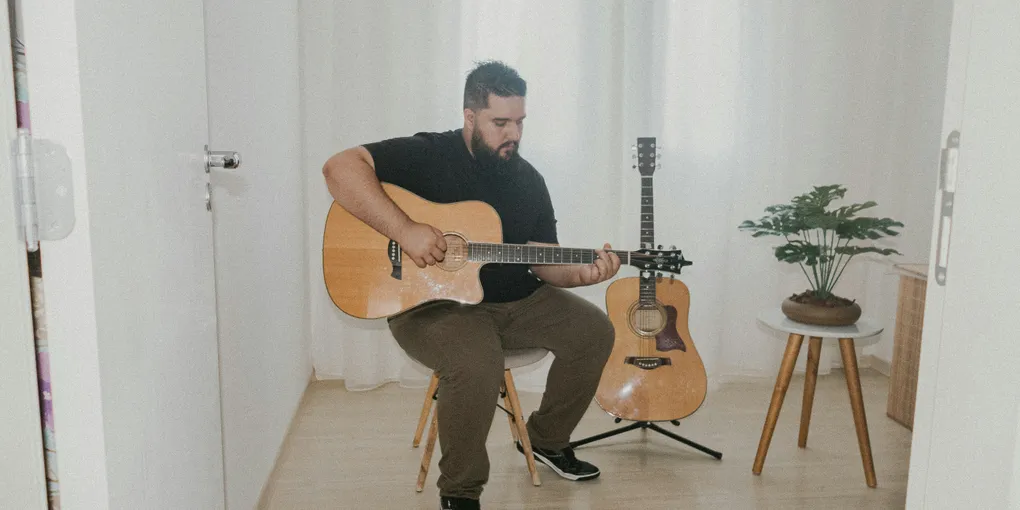
What I Learned Teaching Myself Guitar in 30 Days
Table of Contents
I didn’t decide to learn guitar. I was given thirty days to learn it, and a worship leader position was sitting on the other side of the deadline.
Here’s how I got there. My dad had stepped into pastoral ministry, and his new church was in transition — including the praise band for their Saturday night service. I got pulled in to help, even though I was coming from a gospel background and didn’t know contemporary church music well. I wasn’t eager to lead worship again either. My family had just been through a falling-out at our previous church, and I wasn’t in a hurry to put myself back in that chair.
Key Takeaways
- I learned guitar inside a working band, not from a course — weekly chord sheets, an hour of rehearsal before service, and real feedback every Sunday.
- The deadline was the discipline. I had 30 days because a second church had already offered me a worship leader role contingent on it.
- Barre chords are still the hardest thing for me, years later — I never used a metronome, because I wanted the feel of a real band, not a click track.
- Scripture backs up what I lived: 1 Chronicles 25:6-8 (NIV) describes temple musicians “trained and skilled in music for the LORD” — training was always part of the calling, not separate from it.
Why Did I Only Have 30 Days to Learn Guitar?
Two churches were happening at once. At the Saturday night church my dad had been assigned to — the one already going through the band transition — our lead guitarist told us he was burning out and needed to step away. Within a few services, everyone felt the hole he left. So I looked at the worship leader there and asked, ‘What do you think about me bringing a guitar in and you teaching me?’ He didn’t hesitate — “BRING IT IN!”
At almost the exact same time, my current church was talking to me about becoming their worship leader. The one thing holding that conversation back was that I didn’t play an instrument. So the offer came with a condition: learn guitar, and be ready in 30 days. I said yes to both rooms before I’d touched a fretboard. The deadline wasn’t a metaphor — it was a real Sunday with my name already on the schedule.
For the season right before this one, how to build a worship team from scratch covers what it actually looks like to step into a leadership gap with more faith than readiness.

How Do You Actually Learn Guitar Fast Enough to Lead With It?
I used everything I had access to. My bandmates at the Saturday service gave me structure — new chord sheets every week, parts I needed to clean up, real-time feedback. YouTube filled in the gaps: chord shapes, voicings, the theory behind what I was already playing by feel.
The band was the real classroom. Every week brought new songs I’d never heard, since contemporary worship wasn’t my background. We’d rehearse an hour before service, I’d play and sing through it live, then write down what wasn’t smooth yet. Those notes became my practice plan for the following week — and once a song felt solid, it went into the library I was quietly building for my own church’s rotation.
Outside of band time, I committed to 15 minutes of practice every single day — no exceptions, and no marathon weekend sessions to make up for a skipped day. That’s the exact principle I still teach through MTWL Media, my guitar teaching platform: 15 focused minutes daily compounds faster than an occasional hour ever will. It’s the same thing I preach in my YouTube lessons and in my ebook, because it’s the one habit that actually got me through those 30 days.
Barre minor chords still don’t fully cooperate with my fingers, even now. That’s the one thing that never got easy. And early on I made a deliberate choice not to practice with a metronome. The Saturday band played with feel and groove, not a click-track sound, and I wanted that in my hands from day one — not a robotic version I’d have to unlearn later.

That instinct toward feel over precision is part of why the right acoustic guitar matters so much for a worship leader — the instrument needs to respond to touch, not fight you while you’re already fighting the chords.

What Happened the First Time I Played and Sang at the Same Time?
Thirty days came fast — faster than I felt ready for. I decided I was ready enough for one song. Just one. I messed up a few times, but I stayed locked on a single goal: get through this song. If I could do that, I told myself, I could do another, and another after that.
I made it through. And right after, I yelled out to the whole room, ‘THIS IS THE FIRST SONG THAT I HAVE PLAYED AND SUNG AT THE SAME TIME IN CHURCH!’ The congregation was kind — genuinely encouraging, not just polite. I’d hit the deadline. But what surprised me was that crossing it didn’t make me want to stop. It made me want to keep getting better.
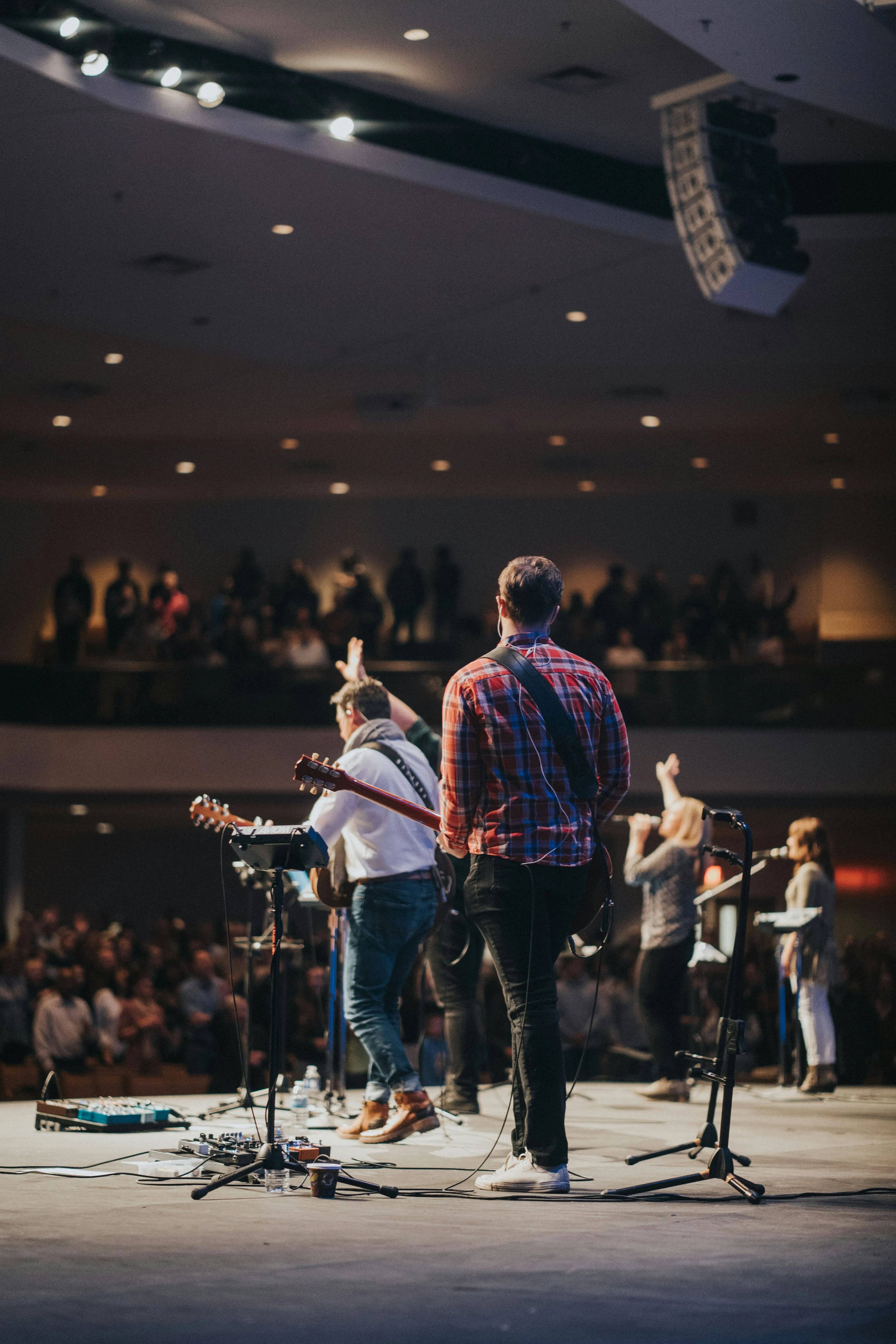
SOMETIMES the goal isn’t to arrive ready. SOMETIMES it’s to get through one song and let that be proof you can get through the next one. BUT a deadline like that only works if you’re willing to be visibly unfinished in front of people. The growth ALWAYS happens after the moment you thought was the finish line, not before it.
What Did 30 Days of Learning Guitar Teach Me About Saying Yes to God?
Looking back, the lesson wasn’t really about guitar. It was about not running from what I’d already been given. I’d grown comfortable in gospel music — it was my safe space, and after the falling-out at our last church, I wasn’t looking to lead worship anywhere again for a while. But churches kept appearing with the exact need I was avoiding, and I struggle with saying no in ministry. God wasn’t asking if I had the skill. He was telling me I needed to do more, learn more, be more — and that He’d be with me through every step of getting there.
Scripture backs this up more directly than I expected. 1 Chronicles 25:6-8 (NIV) describes how David’s musicians “were trained and skilled in music for the LORD,” organized by their fathers into groups and assigned their duties “young and old alike, teacher as well as student.” Training wasn’t separate from the calling — it was how the calling got carried out. Even David himself is first introduced in 1 Samuel 16:18 as “skillful in playing” the harp, a description that came before he ever set foot in Saul’s court.
My 30 days weren’t temple-scale training, but the principle held. The gift was already there, planted years earlier in a different style of music. Obedience meant doing the work to harvest it, not waiting until I felt qualified to start.

If you’ve ever felt the weight of saying yes to too much in ministry because you can’t bring yourself to say no, worship leader burnout goes deeper into what that pattern costs you over time.
What Would I Tell a Worship Leader Who Feels Underqualified to Start?
Start inside a real band if you possibly can. I didn’t learn guitar from a method book — I learned it from weekly chord sheets, an hour of rehearsal before service, and the discomfort of playing songs I’d just heard for the first time. That structure forced me to practice the actual material I needed, not generic exercises.
Don’t wait to feel ready before you commit to a date. I had a deadline because two churches were depending on it, not because I felt prepared. The deadline did the work that motivation alone never would have. And keep a running record of what you’re learning — the notes I took after every rehearsal eventually became the song library my own church still uses today, covered in more depth in how I build a worship setlist each week.
If you’re leading with a guitar you just picked up, you’re not behind. You’re early in a story you can’t see the middle of yet. Explore more encouragement like this at the Worship Guitar hub.
Frequently Asked Questions
Can you really learn guitar well enough to lead worship in 30 days?
Not to a professional level, but well enough to lead one song is realistic if you’re immersed in a working band with weekly structure — chord sheets, live rehearsal, and direct feedback. The author learned this way, leaning on bandmates and YouTube rather than formal lessons, and led his first song on guitar at the end of 30 days.
What’s the hardest part of learning guitar as an adult beginner?
For many adult beginners, barre chords are the most persistent challenge, since they require finger strength and finger independence that take time to build. The author still finds barre minor chords difficult years after his initial 30-day push, even with steady playing in between.
Should worship guitarists practice with a metronome?
It depends on the sound you’re after. The author deliberately avoided a metronome while learning, choosing to absorb feel and groove from a live band instead of a fixed click, because that’s the sound he wanted to keep long-term rather than unlearn later.
Does the Bible say worship musicians were trained?
Yes. 1 Chronicles 25:6-8 (NIV) describes David’s musicians as “trained and skilled in music for the LORD,” organized by their fathers into groups that included “teacher as well as student.” David himself is introduced in 1 Samuel 16:18 as already “skillful in playing,” showing that musical skill and spiritual calling were expected to develop together, not stand apart.
How do you transition from a gospel music background to contemporary worship guitar?
Immersion in the new repertoire is the fastest path — learning new songs weekly inside a real band, rather than studying genre theory first. The author built his contemporary worship vocabulary one Sunday at a time, carrying songs from one church’s rotation into his own.
What if I don’t feel ready to take a worship leader role?
Readiness often arrives after you commit to a deadline, not before. The author accepted a worship leader position before he could play guitar at all, then let the 30-day deadline force the growth that waiting to feel ready never would have produced.
A Prayer for the Worship Leader Learning to Obey Before They’re Ready
Lord, thank You for not waiting until we feel ready before You call us forward. Thank You for the gifts You plant in us years before we ever pick them up — and for the deadlines, the open doors, and the people who say “bring it in” before we’ve earned the confidence to ask. Teach us, like the musicians trained for Your temple, that skill and calling are meant to grow together. Give us the courage to say yes before we’re finished becoming who You’re shaping us to be. Amen.
Be Blessed,
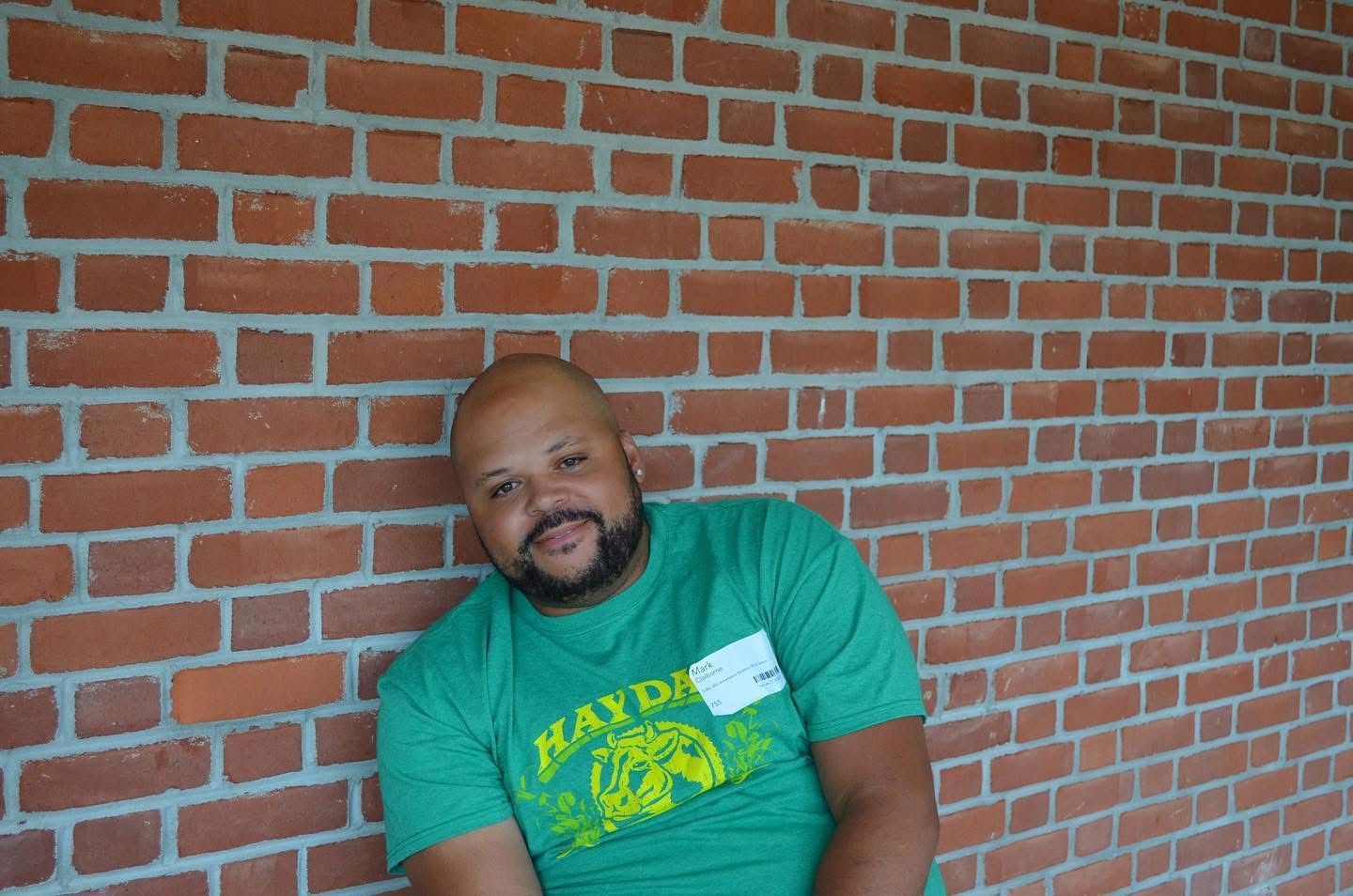
Mark Claiborne
Find this helpful?
Writing takes time. If Worship Frontier has been useful to you, buying me a coffee means a lot — and keeps this going.
Join the Conversation
Comments are moderated — approved ones are posted periodically.
Thanks for your comment — it's in the queue for review.