Best Acoustic Guitars for Worship Leaders in 2026
Table of Contents
The best acoustic guitar for worship is the one you’re not afraid to play hard, modify without hesitation, and carry into whatever room you end up in on Sunday morning. That’s why the guitar I actually use on stage most often cost me about $250.
I’ve been leading worship for over fifteen years — acoustic in hand more often than not — and in that time I’ve owned everything from budget dreadnoughts to boutique hybrids. The guitar that sits in my stand right now is a Yamaha FG800J. I’ve drilled it, wired it, modified it, and brought it back every single week. And it keeps showing up.
If you’re shopping for an acoustic guitar for your worship team — whether you’re the worship leader, the rhythm player, or you’re building out your gear list — here’s what I’d actually recommend based on real stage time, not spec sheets.
This post contains affiliate links (Amazon and zZounds). If you purchase through one of them, Worship Frontier may earn a small commission at no extra cost to you. Every pick here is gear I’d put in front of my own congregation.
Key Takeaways
- For under $300, the Yamaha FG800J is the most stage-ready budget acoustic available — durable enough to modify, reliable enough for every Sunday.
- The Taylor 214ce-K V2 is the clearest step up: better tone, a better pickup system, and a mix-ready acoustic-electric at under $900.
- Hybrid guitars like the Fender Acoustasonic Telecaster and Godin A6 Ultra give you acoustic body and electric versatility in one instrument — a smart choice for worship guitarists who cover multiple sounds.
- Before you buy, count how many worship settings you plug in for: if the answer is most of them, the pickup system matters as much as the acoustic tone.
Top Picks
- Editor's Pick — Best Budget: Yamaha FG800J shop at zZounds →
- Best Mid-Range Step-Up: Taylor 214ce-K V2 shop at zZounds →
- Best Hybrid Guitar: Fender Acoustasonic Telecaster shop at zZounds →
- Best Pro Investment: Godin A6 Ultra shop at zZounds →
What Makes an Acoustic Guitar Work for Worship?
The acoustic guitar in a worship setting does something fundamentally different from what it does in a coffee shop or a recording studio. It has to project clearly across a congregation when unplugged, sit in a dense mix when it is plugged in, and respond consistently whether it’s being strummed hard through a fast praise song or fingerpicked gently through a quiet moment of prayer.
Acoustic guitars used in live worship perform best when they combine solid-top construction for natural projection, reliable onboard electronics for a direct house signal, and a tone profile that complements — rather than competes with — keys, electric guitar, and vocals in a full worship band (Guitar World, Acoustic-Electric Guitar Buyer’s Guide, 2025). For a volunteer sound team, a consistent pickup signal is especially important: it gives your engineer a clean, controllable source rather than a mic signal that changes every time the guitarist moves.
What to prioritize when buying an acoustic guitar for worship:
- Solid spruce or cedar top — solid tops project more naturally and open up with age; laminate tops work but have a ceiling
- Onboard electronics — even if you don’t need them now, having a pickup installed (or the ability to add one) expands your options as your worship context grows
- Comfortable neck profile — you’re playing for ninety minutes at a stretch; a neck that doesn’t fight you matters more than any tonal characteristic on paper
- Cutaway vs. non-cutaway — if you play above the 12th fret for fills or transitions, a cutaway earns its keep; if you’re a rhythm player, it rarely matters
- Warmth vs. brightness — I look for warmth even though my ear loves treble. On a worship stage, brightness cuts through a mix but can get harsh through a PA; a warmer guitar sits more naturally under vocals and keys
The Setup Rule Nobody Talks About If you’re leading worship — playing and singing at the same time while calling out cues to your band, tracking dynamics, and reading lyrics — you cannot afford to fight your guitar. The moment you’re thinking about where your next chord lands, you’ve lost the mental space that belongs to the room. Setup is everything: action, nut, saddle. Get something affordable enough that you’re not afraid to lower the action, shave the nut, shave the saddle. That’s why I stay away from recommending Martins or a Gibson J45 to most worship guitarists — not because they’re bad guitars, they’re incredible — but at the price, I’d be afraid to touch them. My Yamaha FG800J is the most familiar guitar in my arsenal precisely because I’ve made it my own without fear.
A smaller body like a 000/OM or Grand Auditorium often serves worship leaders better than a big dreadnought for this reason: it balances strumming and fingerpicking without overpowering the mix, and it’s easier to manage physically when you’re doing four things at once (MusicStreet, Choosing the Perfect Guitar for Your Worship Band, 2025). Spruce tops deliver clarity; mahogany or sapele back and sides add warmth and focus. For most worship leaders, that warmth-forward combination wins.
For more on how the acoustic guitar fits into a complete worship rig, 5 pedals every worship guitarist needs covers the signal chain that comes after the guitar. And for tone-shaping at the pedal level, best reverb pedals for worship guitar covers the effect that defines acoustic worship guitar sound more than any other.
The Best Acoustic Guitars for Worship Leaders
Here’s the full comparison before we get into each one:
| Guitar | Price | Type | Best For |
|---|---|---|---|
| Yamaha FG800J Editor’s Pick | ~$299 | Acoustic | Budget workhorse — stage-proven, modify-friendly |
| Taylor 214ce-K V2 | ~$849 | Acoustic-Electric | Best mid-range step-up — Taylor tone, ES2 pickup |
| Fender Acoustasonic Telecaster | ~$1,299 | Hybrid | Acoustic body + Tele twang in one guitar |
| Godin A6 Ultra | ~$899 | Hybrid | Pro warmth, stage-to-studio versatility |
Yamaha FG800J — Best Budget Acoustic for Worship
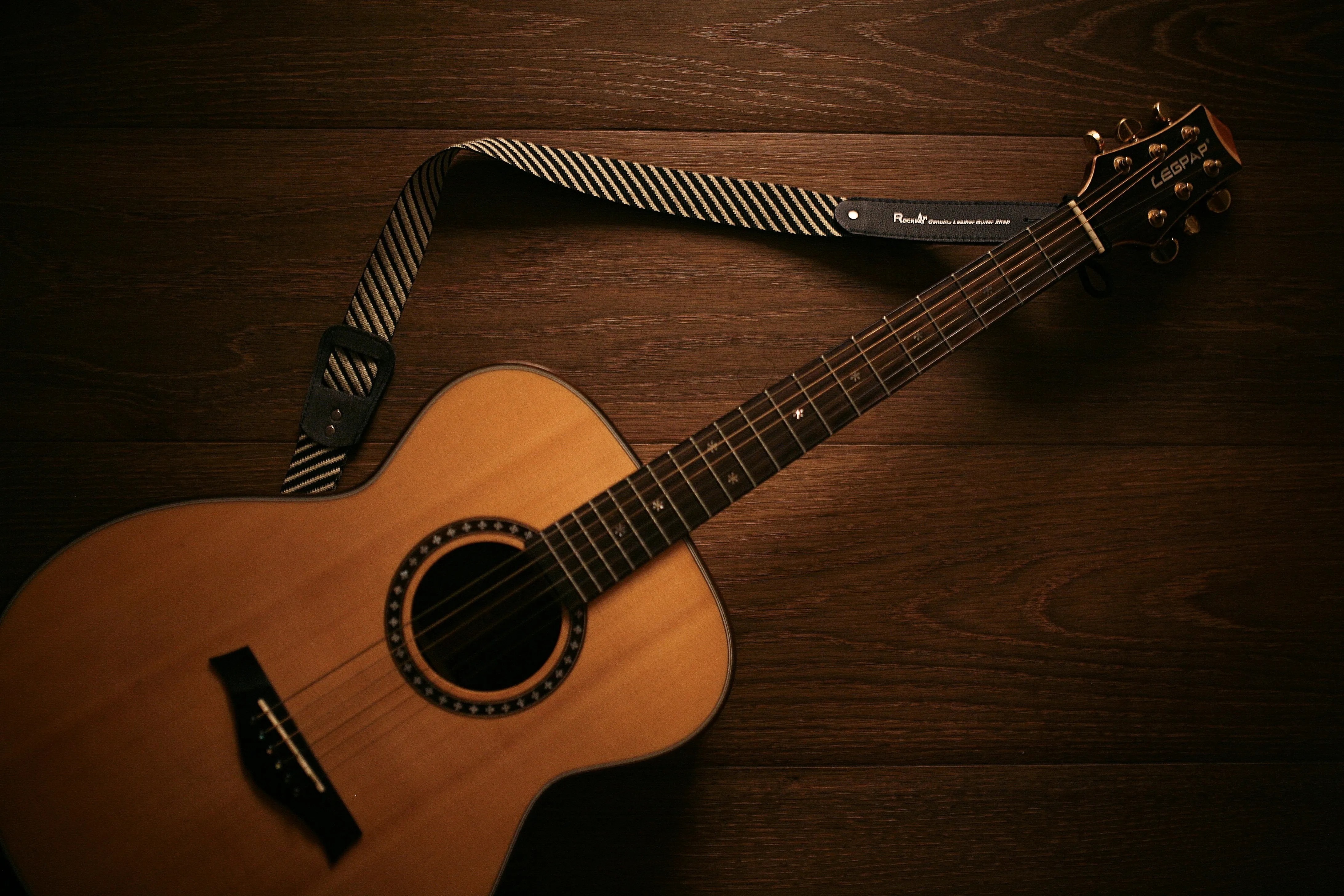
The FG800J is my guitar. Not a guitar I used to own, not one I’d theoretically recommend — the one that shows up in my stand every Sunday. I picked it up because it was cheap enough that I wasn’t going to be precious about it, and it turned out to be one of the smartest decisions I’ve made in fifteen years of leading worship.
When I first got it, two things needed to change immediately.
The first was the strap situation. The FG800J ships with no strap buttons — not unusual for a budget acoustic. My first instinct was one of those headstock string setups that loops around the neck and connects to the end pin. It technically works. But the tension on the headstock affected the balance of the guitar, and the feel was never right. I moved on fast. What I use now is a proper C.F. Martin strap with installed strap buttons — two screws, ten minutes with a guitar tech, and it became a non-issue permanently.
The second was the pickup. The FG800J ships acoustic-only. For most church stages, that’s a problem. My guitar tech and I installed a Fishman Presys+ directly into the body: cut an opening in the upper bout for the preamp panel, ran the pickup wire under the bridge saddle, and widened the end pin hole to fit the output jack. Once it was done, I had a fully functional acoustic-electric that sounds indistinguishable from a guitar that shipped that way — for a fraction of the cost of buying one pre-loaded.
SOMETIMES a budget guitar is exactly what a worship stage needs. BUT modifying it takes time, tools, and a guitar tech you trust. ALWAYS budget for the electronics installation if you go the FG800J route — figure $50–80 for the Fishman Presys+ and another $50–100 for a tech to do the install cleanly.
Our Verdict
The acoustic guitar I actually play every Sunday — solid spruce top, reliable build, and cheap enough to modify without hesitation. The stage-ready acoustic for worship guitarists who don't want to be precious about their instrument.
Shop at zZounds →Best for: Worship leaders and rhythm guitarists who want a reliable acoustic they can modify without guilt
✓ Pros
- Solid spruce top — projects naturally and opens up with age
- Affordable enough to modify: lower action, add strap buttons, install a pickup
- Reliable tuning stability under weekly stage use
- Lightweight and easy to manage while singing and leading simultaneously
- Durable construction that handles regular gigging without delicate care
✗ Cons
- Ships acoustic-only — plan and budget for a Fishman Presys+ pickup install
- No strap buttons from the factory — add them before first Sunday
- Laminate back and sides (not solid) — a ceiling on the acoustic tone
Taylor 214ce-K V2 — Best Mid-Range Step-Up
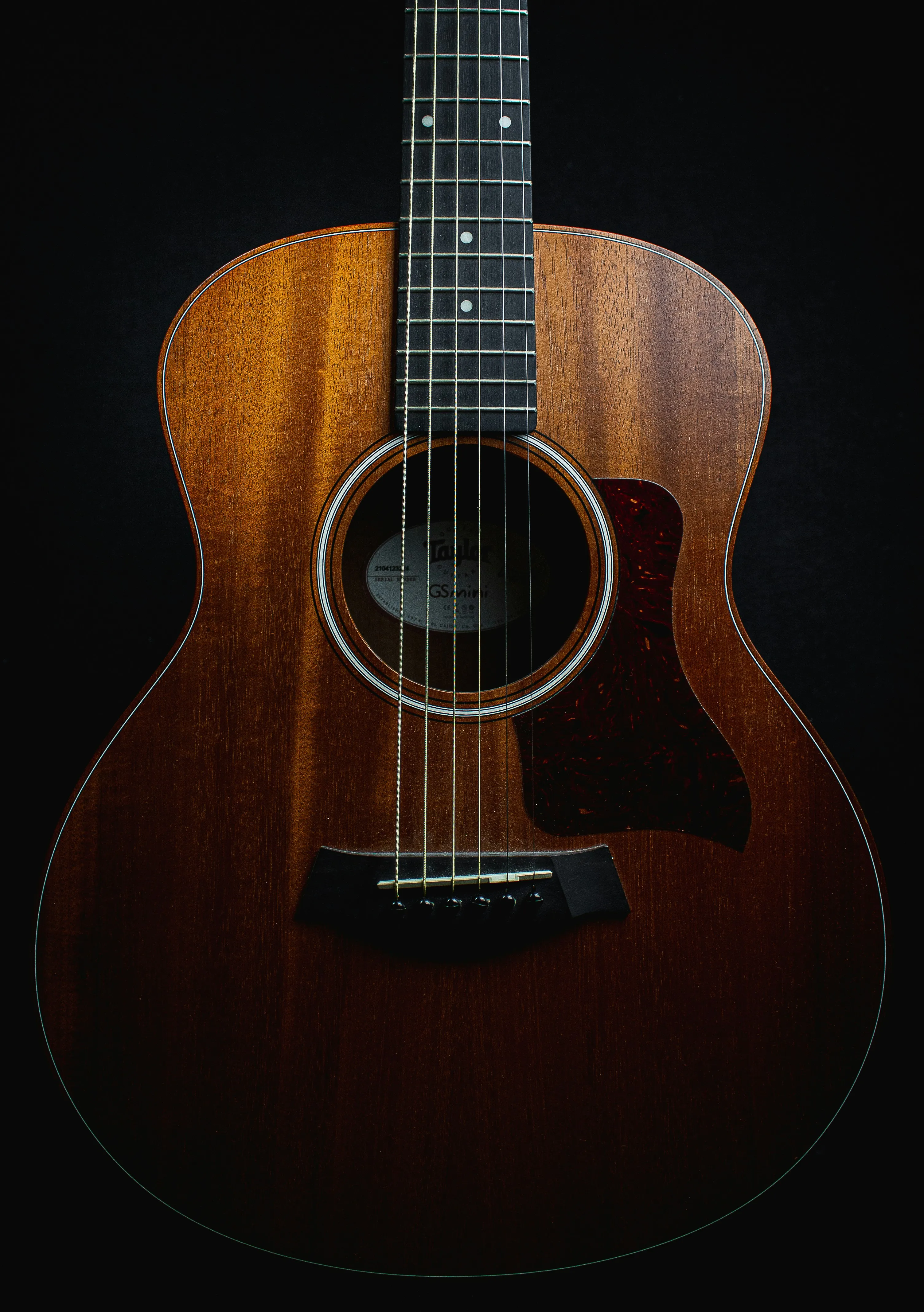
When someone asks what to buy after they’ve outgrown a budget acoustic, the Taylor 214ce-K V2 is almost always the answer. The Taylor 214ce is consistently cited as the standout all-around choice for worship: easy playability, clear projection, and plug-in convenience that works in virtually any PA setup (American Musical Supply, Taylor 214ce review, 2025). Taylor’s 200 series represents the sweet spot in the acoustic guitar market — professional-grade construction at a price that doesn’t make you afraid to gig it.
The koa back and sides on the 214ce-K give it a warmth and balance that brighter spruce-and-rosewood combinations don’t always deliver. It’s not a muddy guitar — it’s a full guitar. The Taylor ES2 pickup is the main reason to choose it over cheaper acoustic-electrics at the same price point: the bridge-mounted system captures the acoustic resonance of the instrument directly, which means it sounds more like the guitar you’re holding and less like a microphone approximation of it (Taylor Guitars, ES2 pickup technology, 2025).
The Grand Auditorium body shape is also a practical advantage for worship leaders who play and sing simultaneously. It’s balanced enough for strumming but focused enough not to swallow the mix — and the comfortable neck is exactly the kind of low-effort playability you need when you’re also leading a band, reading lyrics, and cuing dynamics at the same time. For a church stage, this is exactly the investment you want to make when your worship role justifies it.
Our Verdict
The clearest step up from a budget acoustic for worship — Taylor's Grand Auditorium shape, koa warmth, and the bridge-mounted ES2 pickup that captures the guitar's true resonance rather than a microphone approximation of it.
Shop at zZounds →Best for: Worship guitarists who play regularly and want a pickup system that performs cleanly through any PA
✓ Pros
- ES2 pickup captures the guitar's resonance directly — sounds like the instrument, not a mic
- Koa back and sides deliver warmth without muddiness in a full worship mix
- Grand Auditorium body balances strumming and fingerpicking equally well
- Taylor's consistent build quality — reliable setup and stable tuning week after week
- Comfortable neck profile for players singing and leading simultaneously
✗ Cons
- Price jump from budget tier (~$849 vs ~$299 for the Yamaha)
- Koa finish shows wear more visibly than darker woods — less forgiving for heavy gigging
- No cutaway on this model — players who work above the 12th fret will want to look at the 214ce instead
Fender Acoustasonic Telecaster — The Hybrid Stage Guitar
I owned an Acoustasonic Telecaster. Every time I played it, everyone in the room agreed: it sounded amazing — large, boomy, and warm in a way that felt more like a big dreadnought than anything you’d expect from a guitar that thin. Then a deal came along on a Yamaha Montage that I couldn’t pass up, and I traded it. I still think about that trade sometimes.
What made the Acoustasonic special on a worship stage is Fender’s Stringed Instrument Resonance System — an internal resonating body that produces genuine acoustic projection without the depth of a full acoustic body. The guitar breathes. But the real worship-specific feature is the bridge pickup. Switch to the bridge position and you get that unmistakable Telecaster twang — the same bright, cutting tone that has defined worship electric guitar for decades. You get both in one guitar, and the transition between them is smooth enough to use mid-song without the congregation noticing you changed anything.
For a worship guitarist who plays in contexts where they sometimes need acoustic texture and sometimes need to cut through like an electric, the Acoustasonic solves a real problem. It’s heavier than a traditional acoustic, and it won’t replace a dedicated electric for players who need full amplified tone — but as a hybrid for church stages, it’s one of the most versatile instruments I’ve played.
Our Verdict
Acoustic body presence and Telecaster twang in a single guitar — the most versatile hybrid on a worship stage. The internal Stringed Instrument Resonance System delivers real acoustic projection, and the bridge pickup is the same Tele bite that has defined worship electric guitar for decades.
Shop at zZounds →Best for: Worship guitarists who cover both acoustic and electric roles mid-set without switching instruments
✓ Pros
- Internal resonance system gives genuine acoustic projection in a slim body
- Bridge Tele pickup delivers the cutting worship electric tone in the same instrument
- Smooth acoustic-to-electric transition — usable mid-song without the congregation noticing
- No amp required in acoustic mode — a real option for smaller room worship
- Iconic Fender build quality and stage-proven durability
✗ Cons
- Heavier than a traditional acoustic — feels different in your hands if you're used to a dreadnought
- Premium price (~$1,299) puts it out of range for most budget-conscious worship guitarists
- Doesn't replace a dedicated electric for players who need full amplified electric tone
Godin A6 Ultra — The Dream Acoustic
This is the guitar I don’t own yet but have never stopped thinking about. The Godin A6 Ultra is a semi-hollow hybrid built for exactly the kind of stage versatility a working worship guitarist needs: rich acoustic resonance from a chambered mahogany body, a piezo undersaddle pickup for acoustic-forward tones, and full humbucking pickups for when you need the guitar to behave like an electric. One instrument, multiple complete sonic identities.
What draws me to the A6 specifically is Godin’s approach to warmth. I’m a treble-leaning listener by nature — I gravitate toward the top end in any mix. But on a worship stage, I’ve learned that warmth serves the congregation better than brightness. The Godin A6 Ultra is built around a tonal character that’s inherently warm and grounded, and that’s exactly what I’d want when I finally own it. It doesn’t fight the mix; it anchors it.
Godin is a Canadian manufacturer that rarely gets the credit it deserves in the worship guitar conversation. Their instruments are built to professional standards at prices that significantly undercut the American boutique market, and the A6 Ultra represents one of the most versatile acoustic-electric options available at any price (Godin Guitars, A6 Ultra product page, 2025).
Our Verdict
A professional hybrid built for the stage — chambered mahogany body for genuine acoustic warmth, piezo undersaddle pickup for acoustic-forward tones, and full humbucking pickups when you need the guitar to behave like an electric. Multiple complete sonic identities in one instrument.
Shop at zZounds →Best for: Professional worship guitarists who want acoustic warmth and electric versatility without the boutique price tag
✓ Pros
- Chambered mahogany body delivers genuine acoustic resonance — not simulated
- Both piezo and humbucking pickups: acoustic-forward tones and full electric in one instrument
- Inherently warm tonal character that anchors a worship mix without competing with vocals
- Professional-grade Godin construction at significantly under boutique pricing
- Studio-to-stage versatility — one guitar that works in every worship context
✗ Cons
- Less widely stocked than Taylor or Fender — harder to try before you buy in most music stores
- Managing two pickup modes has a learning curve for players used to a single acoustic signal
- Heavier than a traditional acoustic due to the chambered body construction
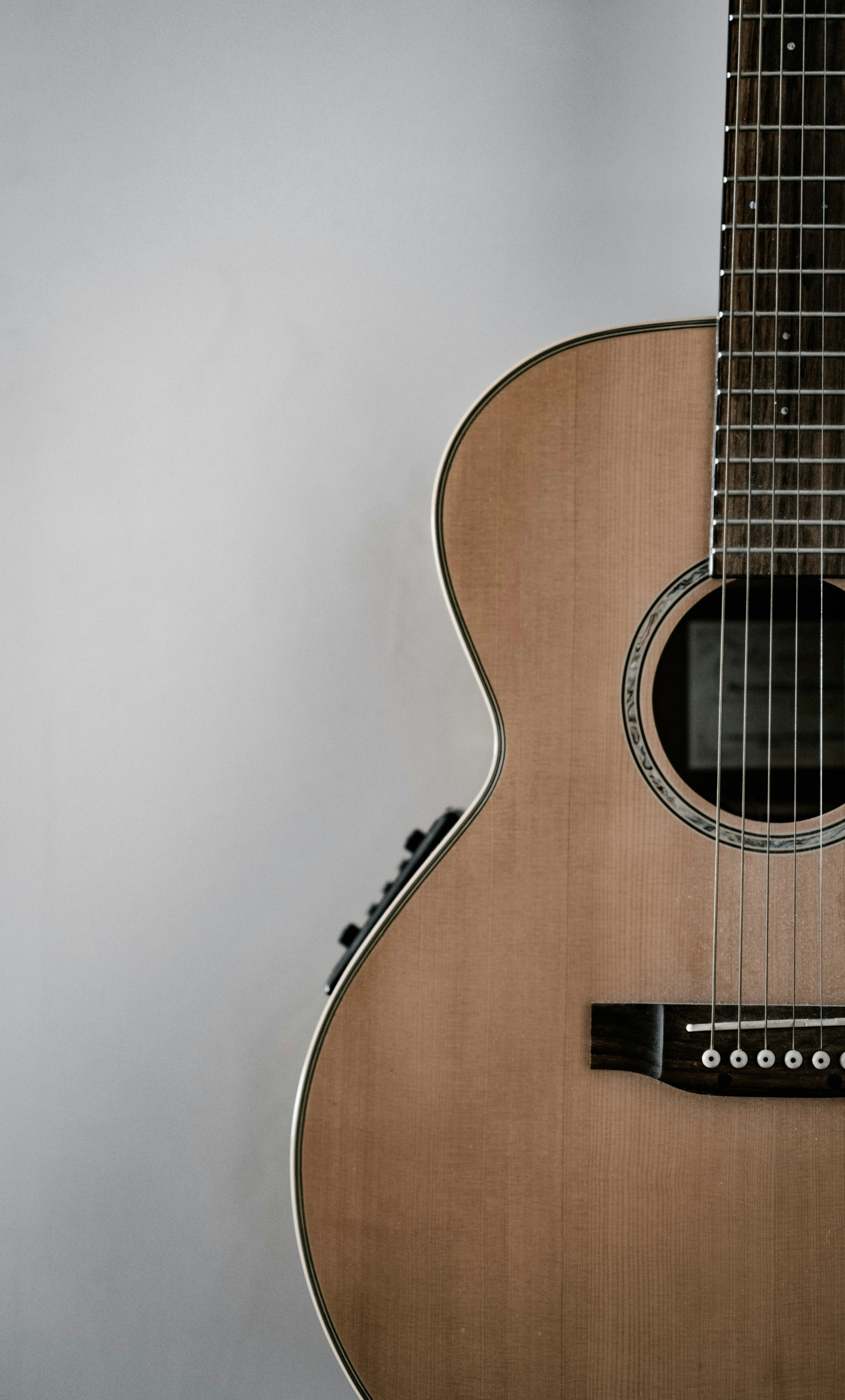
Should You Add a Pickup to a Budget Acoustic?
If you’re starting with a guitar like the Yamaha FG800J and your worship context requires a house mix signal — which it almost certainly does — you’ll need to address the electronics question early. You have two options: buy an acoustic-electric from the start, or add a pickup system to a guitar you already own.
The Fishman Presys+ is the system I used on my FG800J, and the one I’d recommend for a DIY-friendly install. It’s an undersaddle pickup with a side-mounted preamp that controls volume, bass, and treble from the guitar body — the same control layout you’d find on most mid-range acoustic-electrics from the factory. Fishman is the standard for professional undersaddle systems, used across everything from entry-level instruments to high-end acoustic-electrics from Taylor, Martin, and Gibson (Fishman Transducers, Presys+ product page, 2025).
The install requires cutting a panel opening in the upper bout, routing the pickup wire under the bridge saddle, and widening the end pin hole for the output jack. A competent guitar tech can do it in an hour or two. Done right, the result is indistinguishable from a factory-installed system — at a total cost that still beats most pre-loaded acoustic-electrics in the same price tier.
Should You Try a Parlor Guitar for Worship?
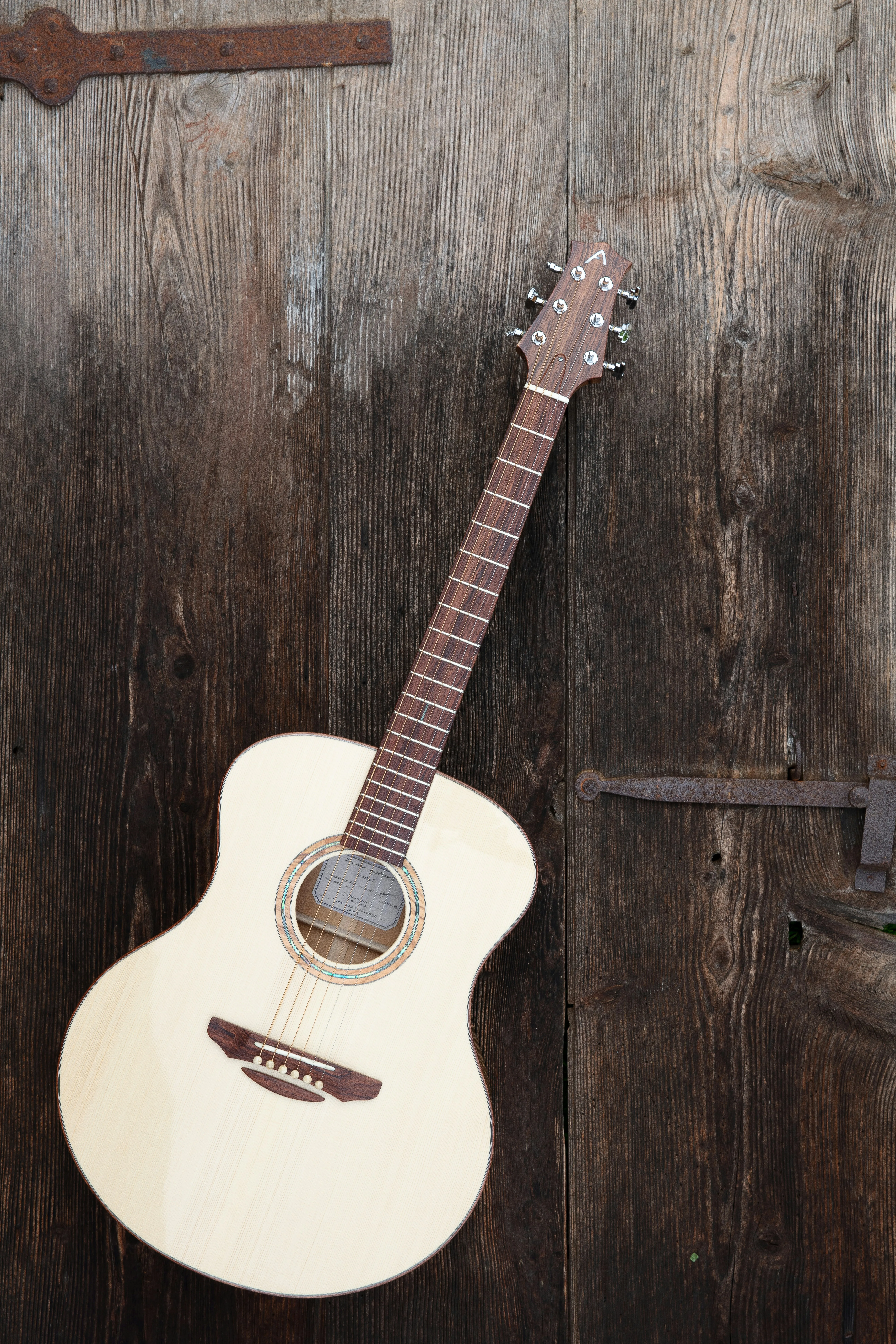
Taylor, PRS, and Fender have all been pushing parlor-sized guitars in recent years, and for good reason. Don’t shy away from them for worship. You don’t always need that huge acoustic dreadnought sound in your mix — sometimes you need to be present without being overbearing. A parlor guitar gives you focused midrange, natural compression, and a body size that’s easier to manage when you’re playing and leading simultaneously.
The Taylor GS Mini is one of the most gigged small-body acoustics on worship stages today — punchy, articulate, and surprisingly loud for its size. PRS has entered the parlor space with their SE acoustics, and Fender’s Malibu Player gives you a smaller Grand Concert body that genuinely works in a band mix without getting swallowed. SOMETIMES a smaller guitar is the smarter stage choice. ALWAYS consider whether the room and the mix actually need a big dreadnought voice before defaulting to one.
Which Acoustic Guitar Is Right for Your Worship Role?
The honest framework is this: match the guitar to the context, not the wish list.
- New worship guitarist, budget under $400 — Yamaha FG800J. Budget for the Fishman Presys+ install (~$50–80 for the pickup, ~$50–100 for installation). You’ll have a stage-ready acoustic-electric for under $500 total.
- Mid-level role, ready to invest — Taylor 214ce-K V2. The pickup system alone justifies the step up, and the koa tonal profile will hold up in any mix for years.
- Versatile worship guitarist covering multiple sonic roles — Fender Acoustasonic Telecaster. The acoustic-to-electric range it covers is genuinely useful for players who don’t want to manage two instruments.
- Professional player, long-term investment — Godin A6 Ultra. Built for the stage, warmer than anything at its price, and versatile enough to grow with wherever your worship role takes you.
If you’re also serving as the worship leader and not just a guitarist, how to lead worship for the first time covers the leadership context that shapes every gear decision you make. And for more curated gear recommendations across every category, browse the Worship Frontier gear page.
Explore all our Worship Guitar content at the Worship Guitar hub. And if you’re stepping into a worship leadership role, the Worship Leadership hub has resources on the full picture — not just the gear.
Frequently Asked Questions
What is the best acoustic guitar for a beginner worship guitarist?
The Yamaha FG800J (~$299) is the best starting point for a beginner worship guitarist — solid spruce top, reliable tuning stability, and build quality that handles weekly use without requiring careful handling. Plan to add a Fishman Presys+ pickup system ($50–80 plus installation) if your stage requires a house mix signal, which most church stages do. If you’re putting together a full team from zero, how to build a worship team from scratch covers how the acoustic guitar fits into the larger picture.
Do I need an acoustic-electric for church worship?
For most church stages — even small ones — yes. A purely acoustic guitar without electronics makes it significantly harder for your sound team to control your level in the house mix and monitor system. An onboard pickup system gives your sound tech a clean, consistent signal to work with. If your guitar didn’t come with electronics, a Fishman Presys+ install is a straightforward solution.
Is a Taylor worth the money for worship?
For a worship guitarist who plays regularly and wants a guitar that holds up under professional conditions, the Taylor 214ce-K V2 is worth the investment. The ES2 pickup system sounds significantly better through a PA than most sub-$500 acoustic-electric systems, and Taylor’s build quality means consistent performance for years without maintenance surprises.
What is the difference between an acoustic-electric and a hybrid guitar?
An acoustic-electric is a traditional acoustic guitar with an onboard pickup added for stage use — it’s still primarily an acoustic instrument. A hybrid like the Fender Acoustasonic Telecaster or Godin A6 Ultra is designed from the ground up to produce both acoustic and electric tones, typically with both piezo and magnetic pickup systems. For worship guitarists who need both sounds, a hybrid can replace two instruments.
What about Martin acoustic guitars for worship?
Martins are exceptional instruments — the 000-18 and 000-10E in particular offer a warm, classic acoustic voice that works beautifully for worship. The honest caveat: in my experience, Martins take longer to break in than most guitars. You’re waiting for the instrument to open up before it becomes truly great — which is fine if you’re patient, but less ideal for a worship guitarist who needs their guitar to show up ready every Sunday from week one. At Martin’s price point, I’d also be hesitant to lower the action or modify the nut and saddle myself, which puts you at a disadvantage if the setup isn’t already dialed in from the factory. For that reason, I steer most worship guitarists toward Taylor or a well-setup budget guitar first.
What strap setup should I use with an acoustic guitar that has no strap buttons?
Avoid the headstock string strap setup — the tension on the headstock affects tuning stability and the balance of the guitar never feels right. Have a guitar tech install proper strap buttons (a simple job, usually under $20 in labor) and use a quality strap. Once done correctly, it’s something you’ll never think about again mid-set.
A Prayer for the Worship Guitarist
Lord, thank You for the gift of music and the privilege of using it to lead Your people into Your presence. For every worship guitarist stretching a tight budget, learning a new guitar, or trying to get a good sound through a PA that wasn’t designed for them — meet them where they are. Let the instrument be a means, not the mission. And when the gear gets complicated, remind us that the most important thing we carry onto that stage is a surrendered heart. Amen.
Be Blessed,
Mark Claiborne


Find this helpful?
Writing takes time. If Worship Frontier has been useful to you, buying me a coffee means a lot — and keeps this going.
Join the Conversation
Comments are moderated — approved ones are posted periodically.
Thanks for your comment — it's in the queue for review.