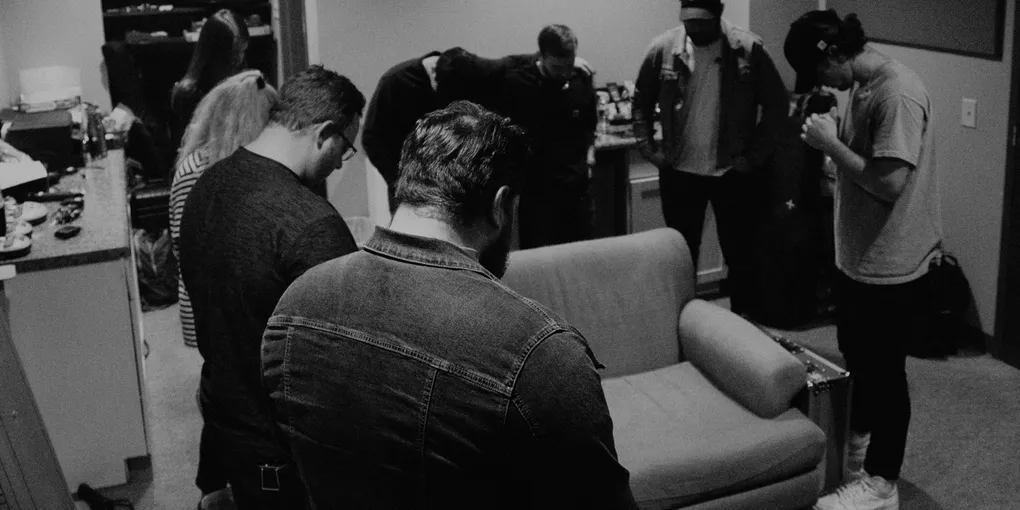
What I Learned From Don Moen About Leading Worship
Table of Contents
I didn’t choose Don Moen. My grandmother chose him for me, long before I knew what I was being given.
She led worship at our church and directed a women’s choir, and she was always pushing the envelope of what that choir would sing. Our church regularly took part in praise and worship programs with other congregations, and there was an unspoken rule: you didn’t want to be the choir singing the same songs everybody else was already doing. So in the 80s and 90s, she had her choir singing Don Moen songs before most churches in our circle had caught on. I didn’t know it then, but she was planting a seed in my own ministry that wouldn’t bear fruit for another twenty years.
This is the first post in an ongoing series on the worship leaders who’ve shaped my ministry — the people whose songs, teaching, or example became part of how I lead, often years before I could name what I’d learned from them.
Key Takeaways
- The most repeated lesson across Don Moen’s Masterclass Series is restraint — knowing your role well enough not to let decades of skill distract from the moment.
- Vocal or instrumental power isn’t automatically a gift in a worship setting; knowing when to hold back matters as much as knowing when to lead out.
- Don Moen’s calm, direct communication style — visible across his teaching content — is a leadership model worth studying on its own.
- Songs like “Give Thanks,” “Thank You Lord,” and “Trust and Obey” still work in congregations today because the songwriting served the moment, not the trend.

Who Is Don Moen, and Why Do Worship Leaders Still Study Him?
Don Moen spent decades as a recording artist and longtime leader at Integrity Music, writing and popularizing congregational staples like “Give Thanks,” “God Will Make a Way,” and “Thank You Lord” — songs that have anchored church worship across denominations for years (Don Moen, official artist bio). He’s one of the few CCM-era artists whose songwriting was built specifically for congregational singing, not just performance.
What’s less commonly known is how much of his influence happened behind the scenes. As creative director, president, and executive producer at Integrity Music, Moen oversaw all 11 volumes of the Hosanna! Music series and helped build the platform that launched or supported artists like Paul Baloche, Ron Kenoly, and Darlene Zschech (Don Moen, Wikipedia). His 1986 debut album, Give Thanks, went on to earn RIAA Gold certification — a rare feat for a worship record built for congregational use rather than radio play.
When I accepted my current position, I knew I needed to get more diverse in my knowledge of contemporary Christian songs — my background was heavier on gospel than CCM, and the gap was obvious to me even if it wasn’t to anyone else yet. I looked to Don Moen first. I found he was selling a worship leading DVD set — the Masterclass Series Bundle — and I bought it without hesitation. I’m not an affiliate for it. I just watched the whole thing because I needed what it had.
For more on what shaped my path into this role, how to build a worship team from scratch covers the season right before I found that DVD set.
What Does It Mean to Know Your Role in a Worship Band?
My goal going in was specific: I was already seasoned as a vocalist, but guitar was what I was most eager to grow in. The section featuring Lenny LeBlanc was the most informative part of the whole series for me — not because of any single technique, but because of what he and every other participant kept stressing.
The theme repeated across the entire Masterclass Series was this: “I’ve been playing or singing for decades, but I don’t let that get in the way or distract in a worship setting.” Every musician on that series had more than enough skill to show off. None of them did. They stressed not overplaying and knowing your specific role in the band — the discipline isn’t learning more, it’s learning when not to use what you already know.
That lesson reshaped how I think about my own guitar playing on stage. Skill without restraint is just a louder distraction.
Why Doesn’t Vocal Power Always Serve the Room?
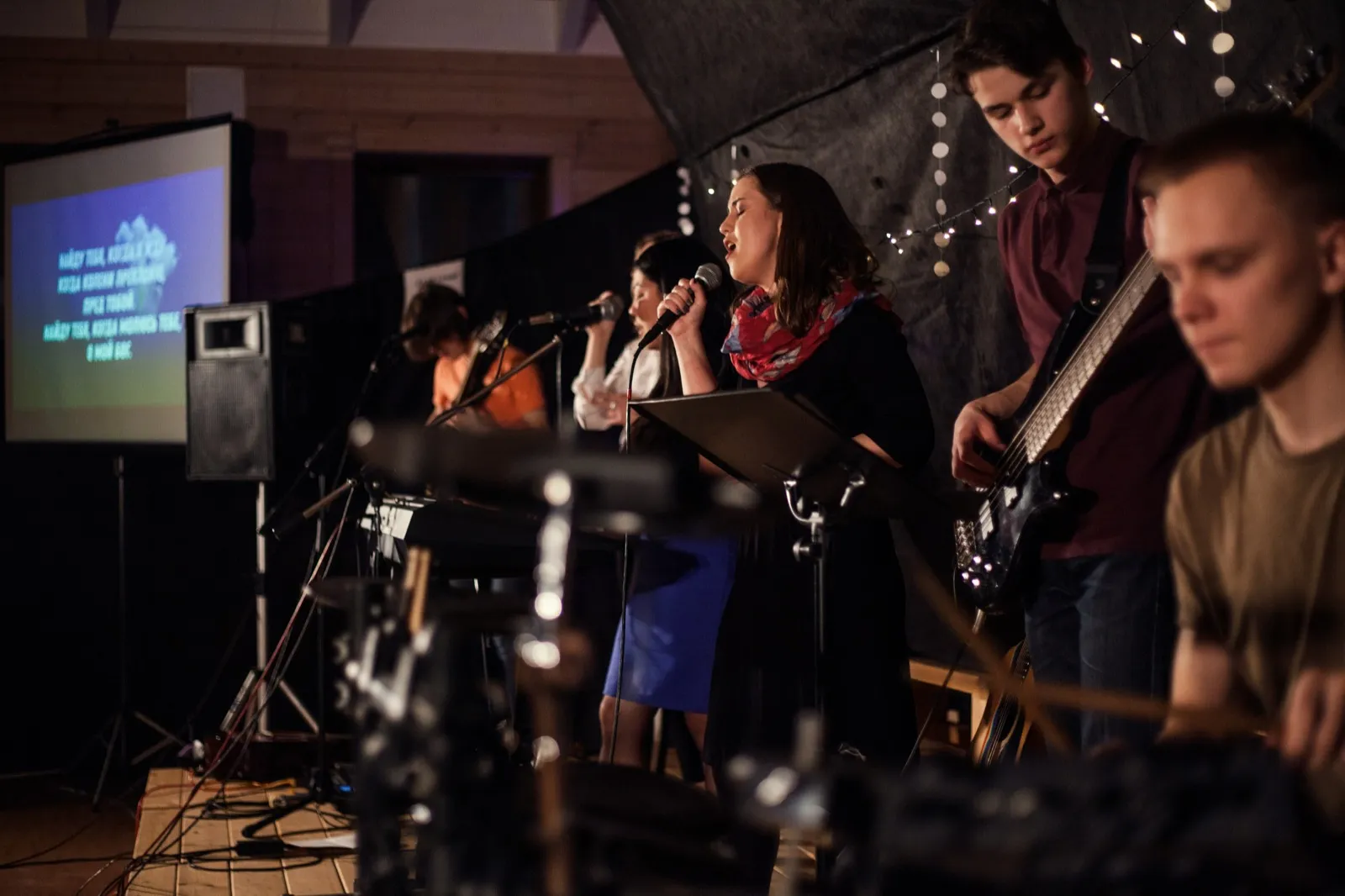
The biggest shift for me wasn’t about guitar at all — it was about understanding I don’t have to sing my hardest on every song. To be clear, I still put my all into worship. This isn’t about effort. It’s about leaving room for strategic dynamics — sometimes the moment calls for quieter, sometimes it calls for pushing to the limit, and I learned I didn’t have to keep the pedal to the metal the entire time to be fully present in it.
Coming from a gospel background, you get used to singing at full tilt all the time. That’s normal in that tradition. It can also be distracting in a different one.
I felt this most directly when I moved from leading in a majority African American congregation to a predominantly Caucasian one. I have a strong voice, and that strength doesn’t automatically suit a praise band — it tends to overpower the other singers around me if I’m not paying attention. Understanding your congregation is the actual skill. Knowing the room you’re standing in front of matters more than how much voice you have to give it.
SOMETIMES the most powerful instrument in the room is the one you choose not to use at full volume. BUT a worship leader who never holds back eventually drowns out the very team they’re supposed to be leading. ALWAYS the goal is matching your gift to the moment — not performing it regardless of what the moment calls for.
Knowing when to belt a line and when to back off is, in my book, part of what makes a worship leader effective rather than just talented. For more on protecting that sensitivity over the long haul, worship leader burnout covers what happens when you stop paying attention to the room altogether.
What Did Don Moen Teach Me About Calm, Direct Leadership?
I still watch Don on YouTube regularly — a large portion of the Masterclass Series content is available there, including segments where he answers questions submitted by worship leaders directly. What I admire most isn’t any single answer. It’s his approach: calm, but direct. That’s exactly what I strive for in how I lead my own team.
The series uses his own songs as teaching examples throughout, which makes sense given who’s hosting it. But what I actually took from it went beyond song mechanics — I came away with a better understanding of every part of a band and what each role is actually responsible for. Leading well means knowing what your bassist needs from you, not just what your guitarist needs, and that kind of full-picture awareness doesn’t come from learning your own instrument better.
I’m always looking to learn — and that posture, more than any specific technique, is probably the most transferable lesson in the whole series. Explore more on this in how to lead worship for the first time, which covers the foundational mindset I wish I’d had walking in.
Why Do Don Moen’s Songs Still Work in My Congregation Today?
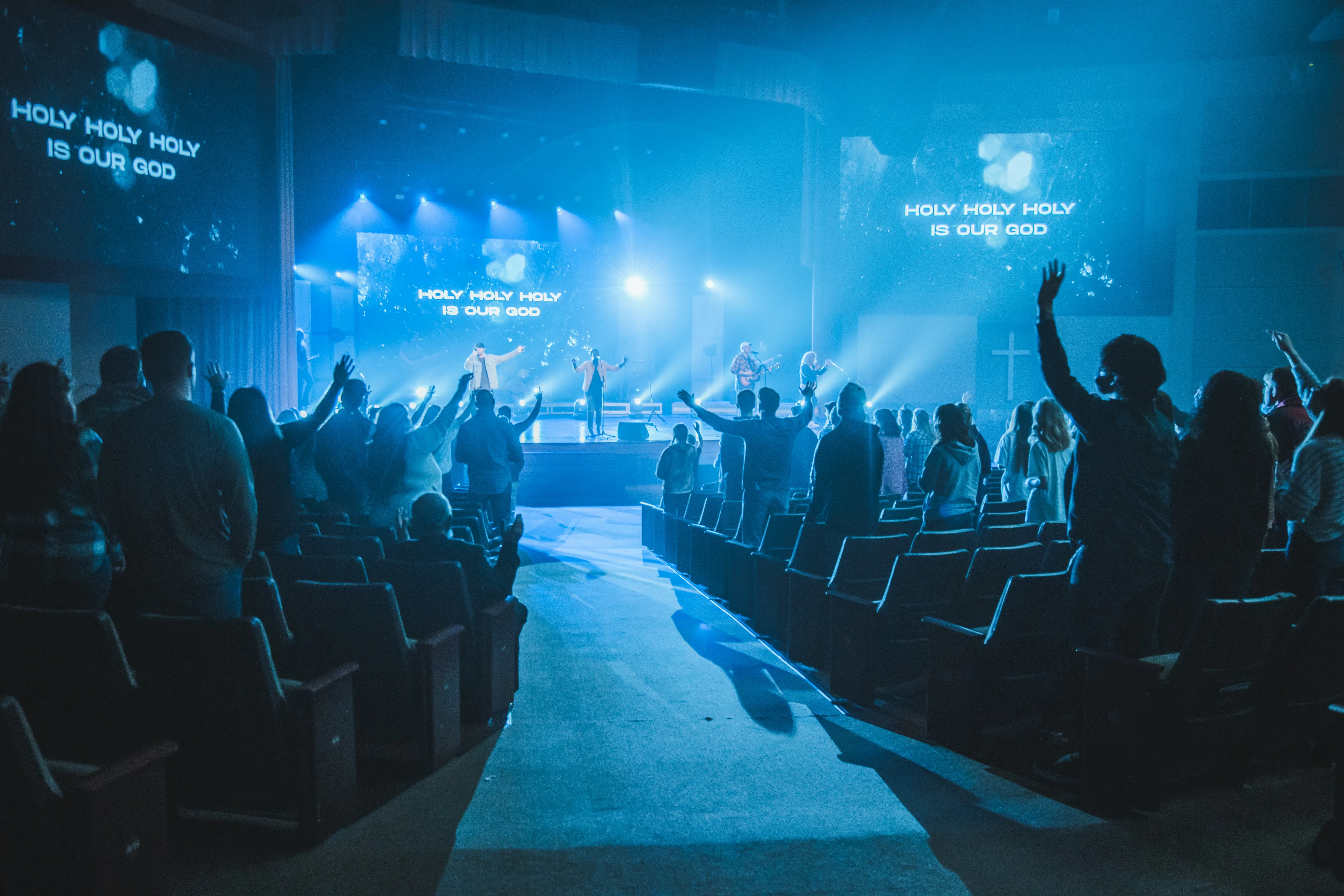
I look to the past for song selection more than most worship leaders my age probably do. My band has sung several of our favorite Don Moen songs over the years, and they consistently go over well with my congregation — not as nostalgia, but as songs that still do exactly what they were written to do.
The songs that have worked best for us: “Thank You Lord,” “Think About His Love,” “Give Thanks,” and “Trust and Obey.” We’ve also reintroduced “Above All” — written by Lenny LeBlanc and Paul Baloche rather than by Don himself, but it reached my congregation through the same Masterclass Series connection, since Lenny is the one who taught me the guitar lesson that shaped how I still play it.
None of these songs are trend-driven. They were written to hold a room in a specific posture, and that posture hasn’t expired just because the production style around it has changed. For more on how I think through repertoire decisions like these, my worship song library goes deeper into the songs I actually use week to week. And if you’re weighing whether singing someone else’s songs makes you anything less than a worship leader, are worship leaders just cover artists? is worth a read.
Explore more leadership content at the Worship Leadership hub.
Frequently Asked Questions
Who is Don Moen?
Don Moen is a worship artist and songwriter who spent decades as a recording artist and leader at Integrity Music, serving as creative director, president, and executive producer of the 11-volume Hosanna! Music series. He wrote or popularized congregational staples including “Give Thanks,” “God Will Make a Way,” and “Thank You Lord,” and helped develop the careers of artists like Paul Baloche, Ron Kenoly, and Darlene Zschech.
What is Don Moen’s Masterclass Series?
The Masterclass Series is a worship-leading instructional DVD/video set sold directly through store.donmoen.com, featuring Don Moen and other worship musicians, including Lenny LeBlanc, teaching the practical and spiritual sides of leading a worship band. It covers instrument-specific instruction as well as the broader philosophy of knowing your role on a team.
What are Don Moen’s most well-known worship songs?
Don Moen’s most enduring songs include “Give Thanks,” “God Will Make a Way,” “Thank You Lord,” and “Trust and Obey.” These songs remain part of many congregations’ regular repertoire decades after release because they were written to serve congregational singing, not just radio play.
Why do older worship songs still work in modern church services?
Older worship songs that were written with congregational singing in mind — rather than performance or radio appeal — tend to age well because the structure serves the room rather than a trend. Songs like “Give Thanks” and “Trust and Obey” still function exactly as intended decades later.
Did Don Moen write “Above All”?
No — “Above All” was written by Lenny LeBlanc and Paul Baloche, not by Don Moen. It’s commonly associated with the broader worship community Don Moen helped build, and many worship leaders, including myself, were introduced to playing it through Lenny LeBlanc’s own teaching in Don Moen’s Masterclass Series.
How can a worship leader develop restraint without losing presence?
Restraint comes from understanding your specific role in the band and the actual needs of your congregation in the moment — not from playing or singing less skillfully. The most experienced musicians in Don Moen’s Masterclass Series stressed that decades of ability mean nothing if they distract from the worship moment. Restraint is a leadership skill, not a limitation.
A Prayer for the Worship Leader Still Learning Their Role
Lord, thank You for the mentors You place in our lives — even the ones we never meet in person, even the ones planted by a grandmother singing songs nobody else was singing yet. Teach us what Don Moen and so many others have learned the hard way: that our gifts are not meant to be performed at full volume in every moment, but stewarded for the room You’ve placed us in. Give us the wisdom to know when to lead out and when to hold back. Amen.
Be Blessed,
Mark Claiborne

Find this helpful?
Writing takes time. If Worship Frontier has been useful to you, buying me a coffee means a lot — and keeps this going.
Join the Conversation
Comments are moderated — approved ones are posted periodically.
Thanks for your comment — it's in the queue for review.